





[ad_1]
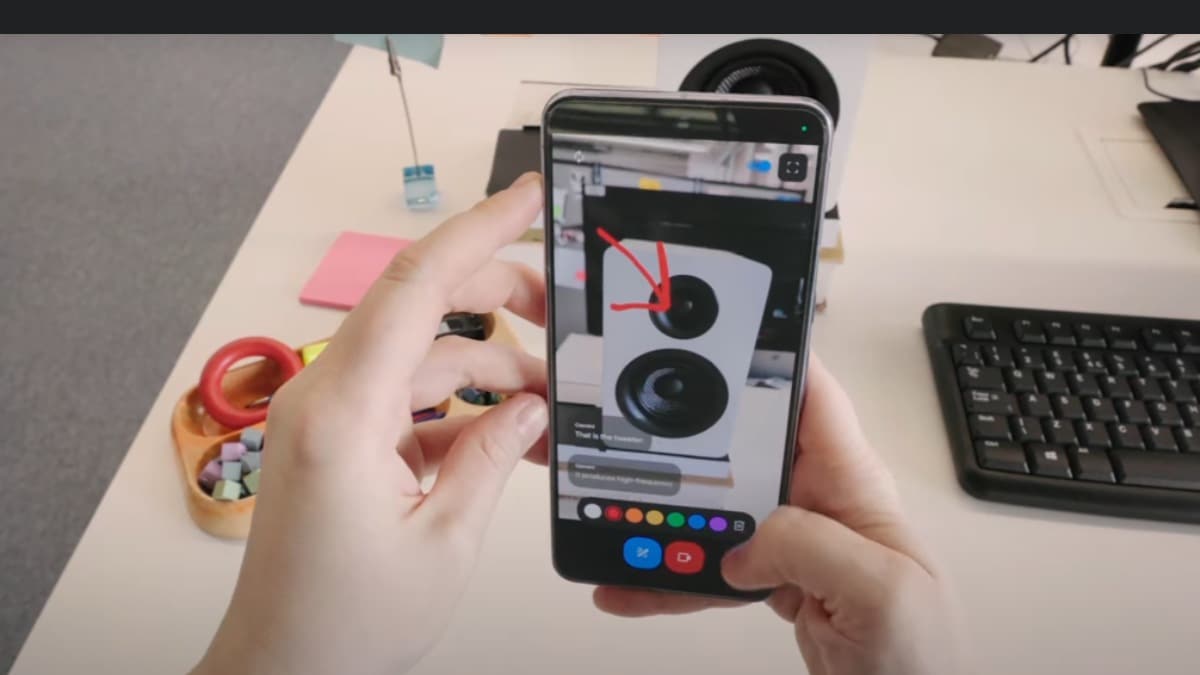
Google During the I/O event, Hassabis showed a demo video to show the power of Astra, in which this powerful AI model was scanning the surrounding environment through the camera and answering questions in real-time. With this, questions can be asked by pointing out things and Astra can give information about that object. For example, it is something like if you open the camera and by making a circle or arrow towards any object appearing on the screen, you asked ‘what is this called’ and immediately you hear a voice from the smartphone, in which all the necessary information is given about that object. This is just an example. Astra can answer many complex and humorous questions in real-time.
Hassabis stressed the importance of AI agents during I/O, which not only communicate but also execute tasks on behalf of users. Hassabis believes that the future of AI is not just in fancy technology but also in practical use. He talked about AI agents that not only talk but also do many tasks on your behalf. He believes that in the future there will be different types of agents, from simple assistants to more advanced assistants, depending on your needs and your situation.
He says that the development of Astra Google This was made possible thanks to improvements in Gemini 1.5 Pro’s language model. Over the past six months, the team worked on making Astra faster and more responsive. This included not only refining the model but also making sure everything ran smoothly at scale.
Astra will be Gemini’s flagship at this year’s I/O Many announcements Google also highlighted the Gemini 1.5 Pro, along with the 1.5 Flash AI model, which is developed to perform tasks like summarization and captioning faster. Also announced was Veo, which can generate video from text prompts. There’s also Gemini Nano, a model designed to be used locally on a device like your phone.
[ad_2]